
Coliving for Digital Nomads: What Operators Need to Know

Recommended Tools
Free interactive tools related to this article.
Market Demand Estimator
Estimate coliving demand in your target market.
Try it free →ROI Calculator
Estimate potential returns and payback periods for coliving.
Try it free →Investor Pitch Generator
Generate an investor pitch outline with financial projections.
Try it free →Coliving Readiness Index
Assess your readiness across 11 critical coliving business factors.
Try it free →The Digital Nomad Coliving Opportunity
There are an estimated 35 million digital nomads worldwide in 2026, and that number is growing at 15% annually. For coliving operators, digital nomads represent a reliable, recurring demand source - but serving them well requires understanding their unique needs and behaviors.
Who Are Digital Nomads in 2026?
The digital nomad profile has evolved significantly from the stereotype of a 25-year-old with a laptop on a beach:
Demographics:
- Average age: 32 (range: 22-55)
- 55% male, 45% female (gap narrowing each year)
- Average income: $85,000/year
- 40% freelancers, 35% remote employees, 25% business owners
- Top nationalities: American, British, German, Canadian, Australian
Work Patterns:
- Average work hours: 35-40 per week
- Peak work hours: 9 AM - 5 PM local time (most align with European or US time zones)
- 70% need reliable video conferencing capability
- 50% have at least one daily team meeting
- Most work from their room or a coworking space (not cafes)
Travel Patterns:
- Average stay per location: 1-3 months
- Average locations per year: 3-5
- Top destinations: Lisbon, Bali, Bangkok, Mexico City, Berlin, Barcelona, Medellin
- Booking lead time: 1-4 weeks before arrival
- 60% book accommodation online without visiting first
What Digital Nomads Want
Must-Have Amenities
- Fast, reliable WiFi: Minimum 100 Mbps symmetric with backup connection. This is non-negotiable. One WiFi outage during a client call will cost you a negative review
- Dedicated workspace: A proper desk in the room or access to a coworking area with monitor-friendly setups
- Quiet environment during work hours: Sound insulation, quiet policies, or designated quiet zones
- Private room: Very few nomads want shared rooms. Private room with shared bathroom is the sweet spot
- Flexible lease terms: Monthly, with the ability to extend or leave with reasonable notice
Nice-to-Have Amenities
- External monitor or monitor arm at the desk
- Ergonomic chair (not a dining chair)
- Standing desk option
- Phone booth or private call room
- Printer/scanner access
- Good natural lighting in the workspace
- Kitchen for meal prep (nomads are budget-conscious about dining out)
Community Expectations
- Social events that respect work schedules (evenings and weekends, not during work hours)
- A mix of social and independent time (nomads are not always looking to party)
- Connections to the local community and culture
- Other remote workers to share experiences with
- Recommendations for local coworking spaces, cafes, and activities
Pricing Strategy for Nomads
Digital nomads are price-sensitive but value-conscious. They will pay more for quality amenities and WiFi reliability.
Recommended Pricing Structure:
- 1 month: Full price (your standard rate)
- 2-3 months: 10-15% discount
- 3-6 months: 15-20% discount
Why Duration Discounts Work:
- Nomads who stay longer cost less to serve (no turnover costs)
- Longer stays improve community stability
- Predictable revenue for the operator
- The discount makes your space more competitive for longer stays
Avoid: Weekly pricing below 1 month unless you specifically want to attract short-stay tourists (higher turnover, higher costs, less community).
Marketing to Digital Nomads
Where They Search
- NomadList: The primary platform for nomad accommodation research. Ensure your city and property are well-represented
- Google: "Coliving in [city]" and "coliving for remote workers [city]" are high-intent searches
- Facebook Groups: "Digital Nomads [City]," "Remote Workers [City]" - active communities where recommendations carry weight
- Reddit: r/digitalnomad, r/remotework, and city-specific subreddits
- Instagram: Nomads research lifestyle through Instagram. Beautiful workspace photos and community events perform well
- Word of mouth: The nomad community is tight-knit. One happy resident can drive 5-10 referrals
Marketing Messages That Resonate
- "Work from paradise without sacrificing productivity" (balance of work and lifestyle)
- "Built-in community, no awkward introductions needed" (social connection without effort)
- "Your office, your community, your home - all in one place" (convenience)
- "100+ Mbps WiFi with backup - we take your work seriously" (reliability)
- "Flexible stays from 1 month - no long-term commitment required" (freedom)
Marketing Messages That Do NOT Resonate
- "Party every night!" (nomads need to work)
- "Cheapest accommodation in town" (signals low quality)
- "Digital detox retreat" (they need to be online for work)
Operations for Nomad-Focused Properties
Check-In Process
- Fully digital: online booking, remote check-in, smart lock access
- Welcome guide with WiFi password (in large font), local SIM card info, coworking recommendations, emergency contacts
- First-day orientation: property tour, introduction to current residents, neighborhood walk
- Working within 30 minutes of arrival is the goal
WiFi Infrastructure
- Primary connection: Fiber optic, minimum 500 Mbps
- Backup connection: 4G/5G failover (automatic switchover)
- Coverage: Every room and common area with strong signal
- Monitoring: Real-time speed monitoring with alerts for degradation
- Support: Quick response plan for outages (this is your most critical service)
Community Programming
- Welcome drinks for new arrivals (weekly, not one-off)
- Coworking sessions with accountability structures
- Weekend excursions (cultural visits, nature trips, food tours)
- Skill-sharing sessions (residents often have fascinating skills)
- Monthly "demo day" where residents share what they are working on
Seasonal Patterns
Digital nomad demand follows predictable seasonal patterns:
| Season | Demand Level | Notes |
|---|---|---|
| Jan-Mar | High | "New year, new destination" effect. Peak season for warm destinations |
| Apr-Jun | Medium-High | European destinations pick up as weather improves |
| Jul-Aug | Medium | Some nomads travel recreationally; others seek cool destinations |
| Sep-Nov | High | Return to productive mode after summer. Strong demand globally |
| Dec | Low-Medium | Holiday season. Many return home. Good for discounts to maintain occupancy |
Operator Strategy: Use dynamic pricing to capture value during peak periods and offer discounts during slower months to maintain occupancy.
The Long-Term Value of Nomad Residents
While individual nomad stays average 1-3 months, the lifetime value of a nomad resident is significant:
- 40% of nomads return to spaces they loved (repeat bookings)
- Nomads are highly active on social media and review platforms
- They recommend spaces to their networks (high referral value)
- Some nomads eventually settle down and become long-term residents
- Corporate nomads may bring team bookings
Treat every nomad stay as the beginning of a long-term relationship, not a one-time transaction. The coliving spaces that thrive with digital nomads are those that understand this fundamental truth: nomads are not tourists. They are professionals who need a productive, comfortable, community-oriented home base while they explore the world.
You Might Also Like
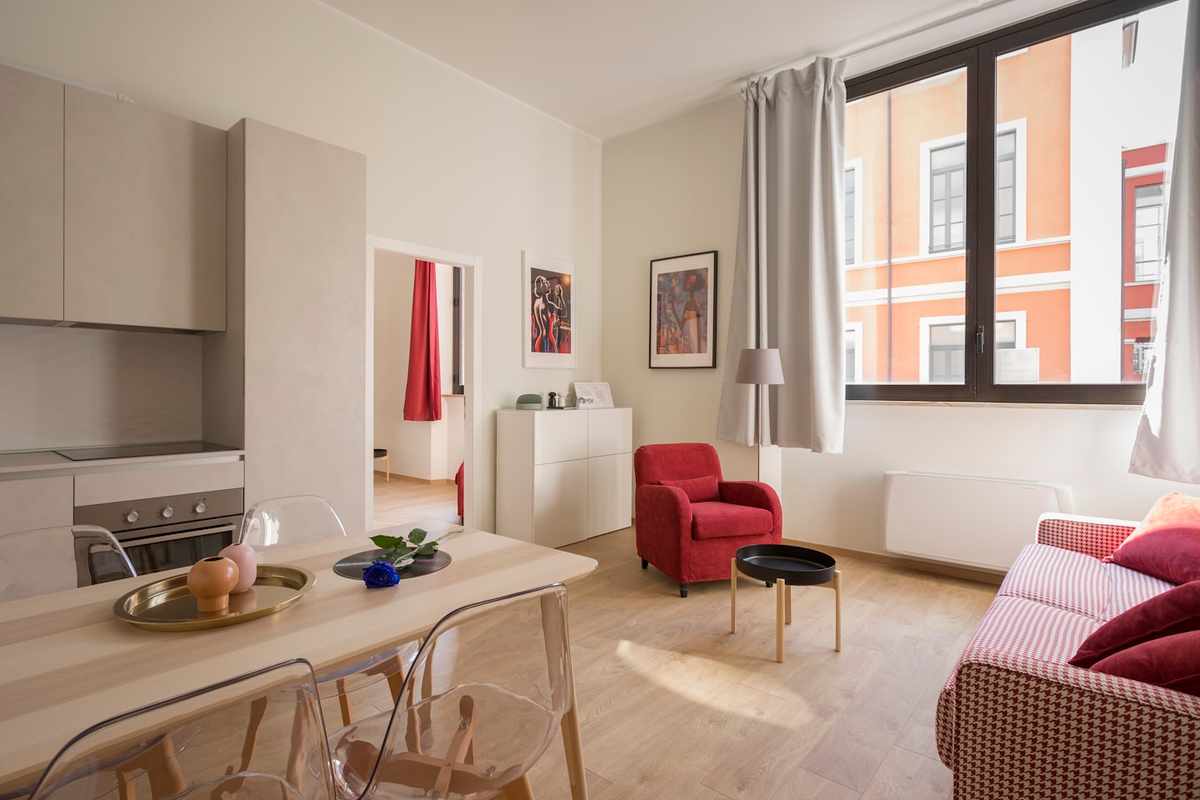
Coliving in Lisbon 2026: Market Analysis and Top Spaces
Lisbon remains one of Europe's hottest coliving markets. Our analysis covers market dynamics, pricing trends, neighborhood guides, and the top coliving spaces for remote workers.
November 23, 2025
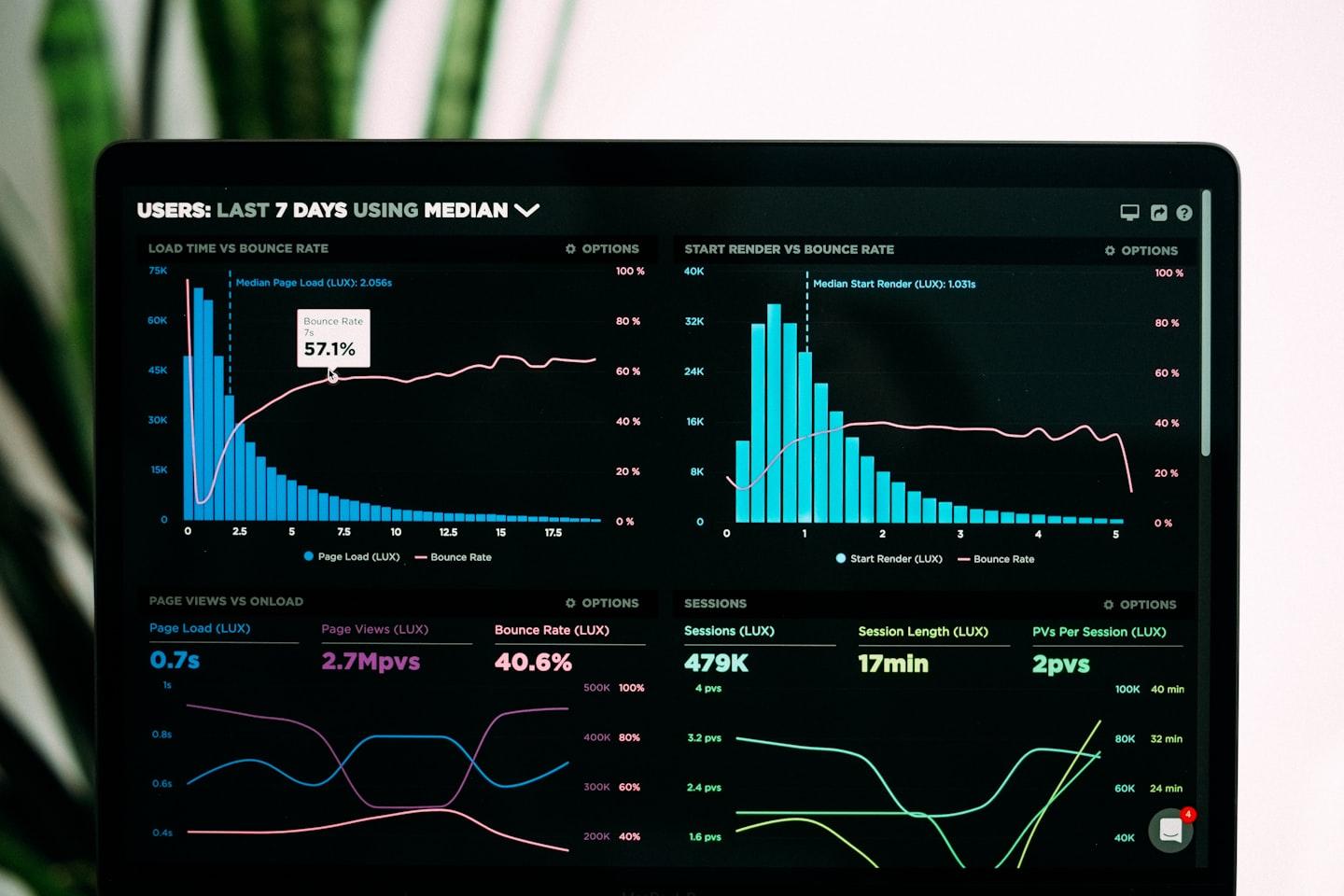
The Future of Work and Coliving: Trends Reshaping the Industry
How the evolution of remote work, AI, and changing lifestyle preferences are transforming the coliving industry. Key trends every operator and investor should watch in 2026.
December 11, 2025

The Complete Coliving Community Events Calendar Template
A month-by-month community events calendar with proven formats, budgets, and tips for creating engaging programming that keeps residents connected.
February 6, 2026