Building Community in Coliving: 15 Event Ideas That Actually Work
Reviewed for accuracy
Mayank Pokharna, founder of Everything Coliving, reviewed this article. Basis of expertise: 13+ years operating and researching coliving; advisory work with 60+ operators across 14+ countries; primary source data from the EC operator dataset (500+ surveys). Financial and regulatory figures cross-referenced with JLL, CBRE, Cushman & Wakefield, and Knight Frank published research.
Why Community Events Matter More Than You Think
Community is the number one reason people choose coliving over traditional housing. But community does not happen by accident - it requires intentional programming and consistent effort.
Data from our survey of 180+ operators shows that properties with regular community events have:
- 40% higher resident retention rates
- 25% higher NPS scores
- 3x more referral-driven move-ins
- 15% lower vacancy rates
Here are 15 event formats that consistently deliver results.
Weekly Recurring Events
1. Community Dinner Night
Frequency: Weekly (same day each week) Cost: $5-$15 per person or potluck-style Effort: Medium
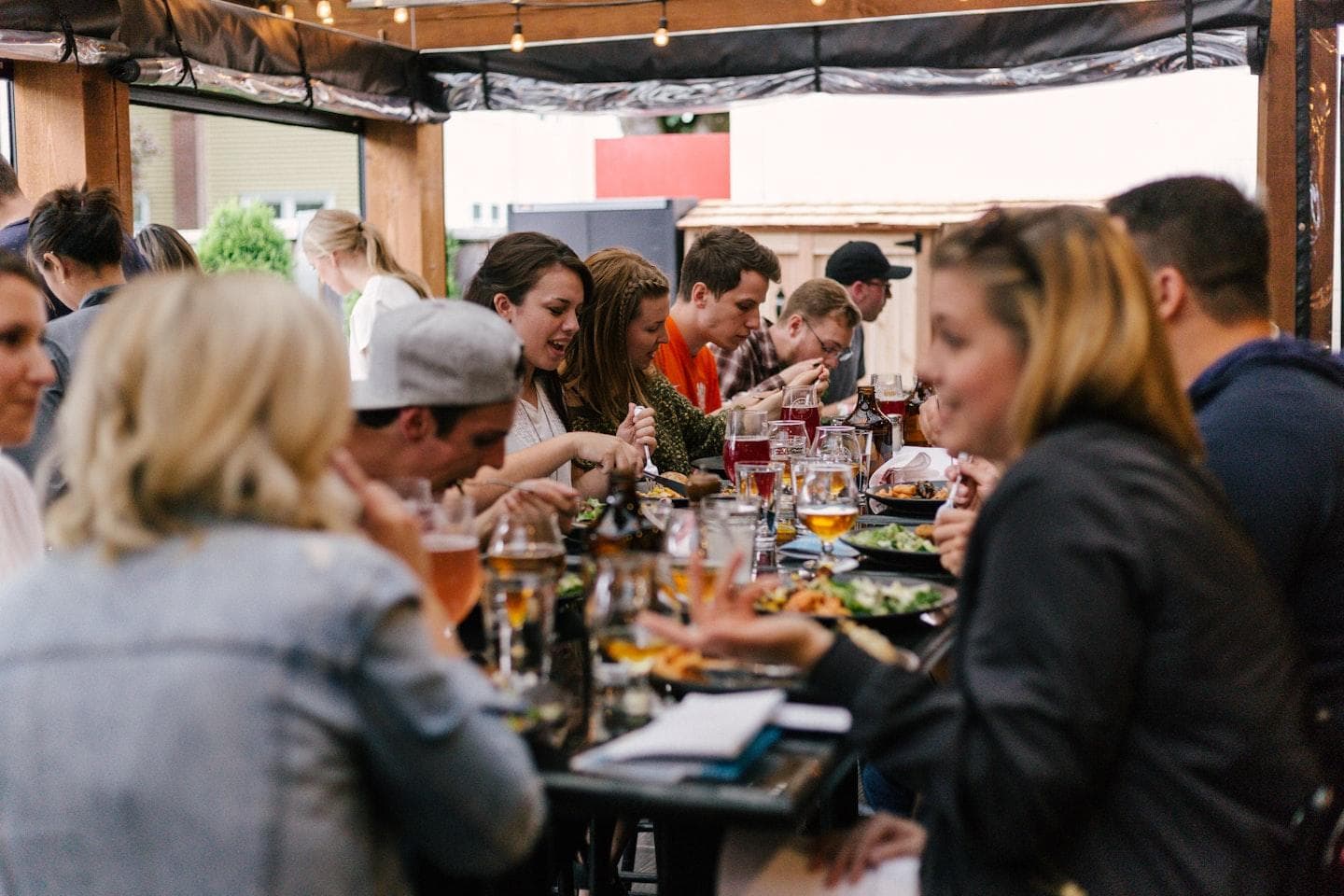
The single most effective community-building event. One person (or a rotating pair) cooks for the group. Everyone eats together, shares stories, and bonds over food.
Pro Tips:
- Pick a consistent day (Tuesday or Wednesday works best - fewer conflicts)
- Rotate who cooks to share the load and celebrate diverse cuisines
- Accommodate dietary restrictions (always have a vegetarian option)
- Make it a phone-free dinner for deeper conversation
- Start with a round of "highs and lows of the week"
2. Morning Coffee Ritual
Frequency: Daily or 3x per week Cost: Minimal (just good coffee) Effort: Low
A simple 30-minute window where the community manager makes quality coffee and is present in the common area. Not a structured event - just a consistent, welcoming presence.
Why It Works: Creates a daily touchpoint that builds familiarity. Residents who might never attend an "event" will show up for good coffee and casual conversation.
3. Coworking Hours
Frequency: 2-3x per week Cost: None Effort: Low
Designate specific hours where the common area becomes a focused coworking zone. Provide good WiFi, power strips, and a quiet atmosphere.
Format:
- 9:00 AM - Start together, share what you are working on (2 minutes each)
- 9:15 AM - 12:00 PM - Focused work time
- 12:00 PM - Optional group lunch
This works especially well for remote workers who miss the structure of an office.
Monthly Signature Events
4. Skill Swap Sessions
Frequency: Bi-weekly or monthly Cost: None Effort: Medium
Residents teach each other skills - anything from coding to cooking to guitar to yoga. Each session is 45-60 minutes, taught by a different resident.
Why It Works: Gives residents a sense of contribution and purpose. People love sharing what they know, and learning from housemates creates deeper connections than small talk ever could.
How to Start: Send a survey asking "What could you teach for 30 minutes?" You will be surprised by the range of skills in your community.
5. Neighborhood Exploration Walk
Frequency: Monthly Cost: None (maybe a coffee stop) Effort: Low
The community manager leads a walking tour of the neighborhood, discovering hidden cafes, parks, shops, and local gems. Especially valuable for new residents.
Pro Tips:
- Invite a local to join and share neighborhood history
- Create a shared Google Map of community favorites
- Visit a different area each month
- End at a local cafe or restaurant
6. Movie Night
Frequency: Bi-weekly Cost: Snacks ($20-$30) Effort: Low
Simple but effective. Set up a projector in the common area, provide popcorn and drinks, and watch a movie together.
How to Make It Better:
- Let residents vote on the movie (use a poll in your group chat)
- Theme nights (80s movies, documentaries, foreign films)
- Follow with a 15-minute discussion
- Outdoor screenings in warm weather are magical
7. Wellness Wednesday
Frequency: Weekly Cost: Free-$20 for external instructors Effort: Medium
Rotating wellness activities: yoga, meditation, breathwork, stretching, running club, or sound healing. Alternate between resident-led and professional-led sessions.
Impact: Properties with regular wellness programming report 20% higher resident satisfaction scores.
Free Newsletter
Join 37,000+ coliving professionals
Weekly insights on operations, marketing, and growth, delivered to your inbox.
Quarterly Special Events
8. Welcome Party for New Residents
Frequency: Monthly or whenever new residents join Cost: $50-$100 for food and drinks Effort: Medium
A structured welcome event that introduces new residents to the community. Not just "here is the new person" but a genuine onboarding experience.
Format:
- Community manager introduces new residents with fun facts
- "Two truths and a lie" icebreaker
- Existing residents share their favorite thing about living here
- Tour of the neighborhood led by a current resident
- Welcome gift (branded mug, local guidebook, house plant)
9. Hackathon / Build Day
Frequency: Quarterly Cost: $50-$100 for supplies Effort: Medium-High
A day where residents collaborate on projects - either personal projects, community improvements, or social impact initiatives.
Examples:
- "Build something in 6 hours" creative challenge
- Community garden planting day
- Volunteer together at a local organization
- Fix or improve something in the house together
10. Cultural Night
Frequency: Monthly Cost: $30-$50 Effort: Medium
Celebrate the cultural diversity of your community. One resident shares their culture through food, music, stories, or traditions.
Format:
- The resident prepares a dish from their country
- They share 3-5 things most people do not know about their culture
- Teach the group a phrase in their language
- Play music from their country during dinner
This format consistently ranks as residents' favorite event across all coliving operators we have surveyed.
11. Quarterly Retrospective
Frequency: Quarterly Cost: None Effort: Medium
A structured feedback session where the community reflects on what is working, what is not, and what they want to change.
Format:
- What went well this quarter?
- What could be improved?
- What new ideas do we want to try?
- Recognize residents who contributed to community life
Why It Matters: Gives residents voice and ownership. Communities where residents feel heard have 50% higher retention rates.
One-Off Special Events
12. Friendsgiving / Community Feast
Frequency: 2-3x per year (holidays, anniversaries) Cost: $100-$200 Effort: High
A large communal meal for holidays or special occasions. Everyone contributes a dish. Invite alumni residents and friends of the community.
13. Rooftop / Outdoor Party
Frequency: Seasonal Cost: $100-$300 Effort: High
A larger social event that can include music, games, BBQ, and outside guests. Great for marketing and attracting potential new residents.
14. Expert Speaker Series
Frequency: Monthly Cost: Free-$200 (most experts will speak for free in exchange for the audience) Effort: Medium
Invite local entrepreneurs, creatives, or professionals to speak on their expertise. Topics could include personal finance, career development, wellness, or local issues.
15. Annual Community Awards
Frequency: Annually Cost: $50 for simple trophies/certificates Effort: Medium
Fun, lighthearted awards that celebrate community members. Categories like "Best Chef," "Most Helpful Neighbor," "Night Owl Champion," and "Plant Parent of the Year."
Event Planning Best Practices
- Consistency beats spectacle: A reliable weekly dinner builds more community than an occasional elaborate party
- Start small: You do not need 100% attendance. 30-40% participation is a healthy benchmark
- Empower residents: The best events are resident-led, not operator-imposed
- Respect opt-outs: Never pressure residents to attend. Community should feel inviting, not obligatory
- Document and share: Photos from events make great social media content and attract new residents
- Budget wisely: Most effective events cost under $50. Expensive does not mean better
- Survey regularly: Ask residents what events they want. Do not assume you know
Measuring Community Health
Track these metrics monthly:
| Metric | Healthy Benchmark |
|---|---|
| Event attendance rate | 30-50% of residents |
| Events per month | 4-6 |
| Resident-led events | At least 50% |
| New resident welcome rate | 100% welcomed within first week |
| Community NPS | 45+ |
Community is not a feature you build once - it is a living system that requires ongoing care and attention. The events listed here are starting points. The best community programming comes from listening to your residents and creating space for organic connection.
Written by
Mayank Pokharna
Mayank Pokharna is the founder of Everything Coliving. 13+ years in coliving as an operator, PMS builder (JumboTiger, SimplyGuest), and advisor to 60+ operators across 14+ countries. Listed as a coliving expert on co-liv.org, featured in Forbes India, BBC Punjabi, Financial Express, and Economic Times, and published on the economics of shared living.
Explore Related Topics
Further Reading
Related Articles

Coliving Maintenance Management Guide
A complete guide to coliving maintenance management covering preventive vs reactive strategies, SLAs, ticketing systems, vendor management, and seasonal calendars.

Fire Safety for Coliving: Regulations, Equipment & Compliance Guide
A comprehensive guide to fire safety regulations, required equipment, risk assessments, and compliance for coliving operators across the UK, US, and EU.

Community Manager Job Description Template
A complete, copy-paste community manager job description template for coliving operators, with interview questions, trial period structure, and posting advice.

How to Build Community in Coliving: The Complete Guide
A comprehensive guide to building, nurturing, and measuring community in coliving spaces, with frameworks, event ideas, and digital tools for operators.

Mental Health in Coliving: Building Communities That Support Wellness
Coliving can be powerful for mental health or harmful if poorly managed. Learn how operators can design spaces and programs that support resident wellness.